
Kitchens
New glazing and a new kitchen are often done as one programme.
Replacement windows, a new front door, French or bi-fold doors onto the garden, or a full house of glazing. Tell us what needs doing and we will introduce you to installers whose certification and insurance we have already checked.
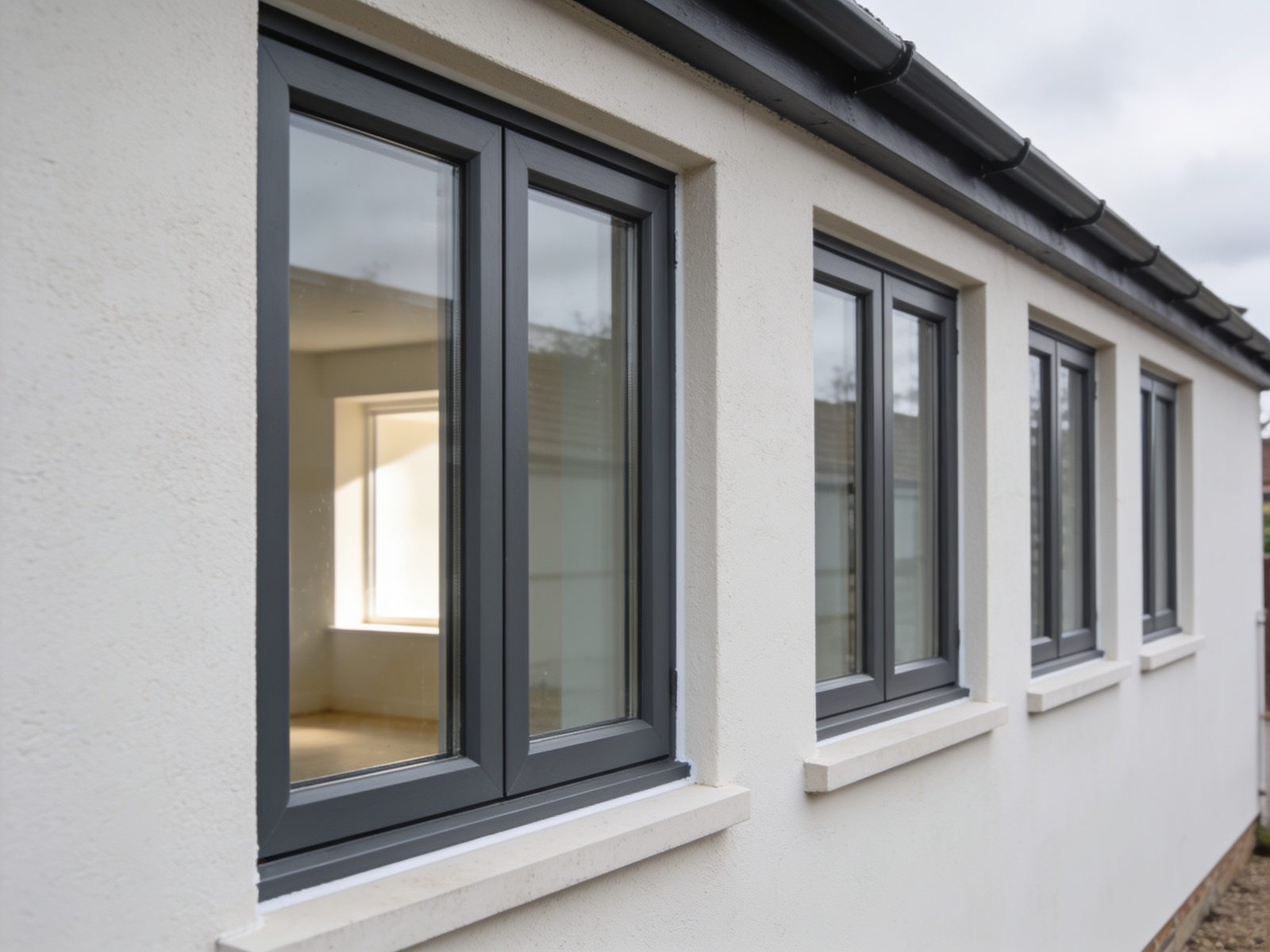
So we can match you accurately, the enquiry asks the rooms and how many openings are involved; whether this is a like-for-like replacement or a change of style or opening; the frame material you have in mind; whether the property is listed or in a conservation area; and how the openings are reached.
The listed and conservation question matters more than people expect. It decides whether you are choosing from the whole market or from a much smaller group of specialists, and it is far better known before anyone prices the job. “Not sure” is always an option.
Replacement windows and doors are notifiable under the Building Regulations. An installer registered with FENSA or CERTASS can self-certify the work and issue you a certificate; one who is not registered means you need Building Control sign-off instead. That certificate is what a buyer’s solicitor asks for years later, and its absence is a genuine problem at sale.
Trading history, public liability insurance and identity, verified before a partner sees your enquiry.
Where an installer claims FENSA or CERTASS registration, we verify it against the issuing register.
Companies with a trading history and a real identity, not a number on a leaflet.
A few guided questions about the rooms, the style and the property.
A member of our team reads it personally.
A small number of suitable, vetted partners.
Compare, decide and start on your terms.
Yes. Replacing a window or an external door is notifiable work, mainly because of the thermal performance required under Part L. In practice there are two routes: an installer registered with a competent person scheme such as FENSA or CERTASS self-certifies and sends you a certificate, or the work goes through your local authority Building Control. Either is fine. Neither happening is not.
It is the record that the work met the regulations. When you come to sell, the buyer’s solicitor will ask for it for any windows replaced since April 2002. Without it you are usually looking at a retrospective Building Control application or an indemnity policy, both of which cost money and slow a sale down. Keep it somewhere you will find it.
Triple glazing performs better thermally and on noise, and costs more. Whether it is worth it depends on the exposure of the property, what the frames can carry and what you are trying to solve. An honest installer will tell you when double glazing with a better frame and a warm-edge spacer is the better spend. Be wary of anyone who only sells one answer.
Quite a lot. Listed building consent is usually needed for window replacement, and in a conservation area permitted development rights are often restricted. The result is normally timber, in a specified style and sometimes with slim-profile double glazing. It is a smaller field of installers and a longer lead time, so it is worth establishing early.
Manufacture is the long part, commonly several weeks from the survey, and the fitting itself is often only a few days. Installers usually work room by room and make the property secure each night. Your installer should give you a realistic programme for your specific order rather than a general figure.
The professional you choose does, directly with you. Pricing is agreed directly between you and the professional you choose. Kalvaro makes the introduction and takes no part in pricing, so we neither set nor guarantee what the work will cost.
New glazing and a new kitchen are often done as one programme.
Bi-folds and rooflights are usually specified with the extension.
Roof windows and escape glazing are part of the conversion.
A few minutes now, and a certified installer pricing it properly. Free to property owners, with no obligation.